
What is Shoulder Arthroscopy? Benefits and Recovery
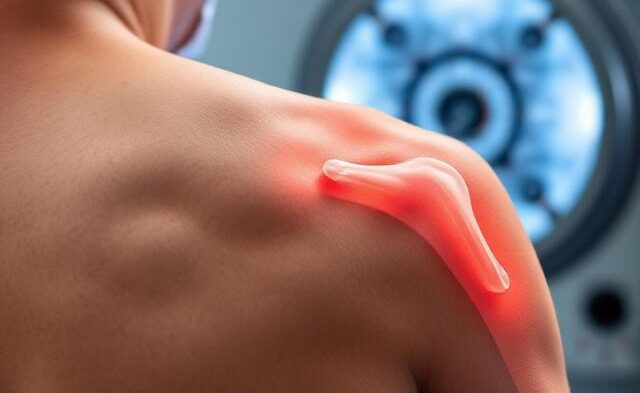
Your shoulder pain doesn’t have to control your life anymore. Shoulder arthroscopy offers a modern solution to joint problems. This minimally invasive procedure helps doctors diagnose and treat shoulder issues. Understanding what is shoulder arthroscopy surgery can help you make informed decisions about your health. Let’s explore how this treatment works and why it might be right for you.
Understanding Shoulder Arthroscopy
Shoulder arthroscopy is a surgical procedure that uses a tiny camera to look inside your shoulder joint. Your surgeon makes small cuts in your skin. Each cut is usually less than half an inch long. A pencil-thin camera goes through one cut. This camera shows images on a screen. Your doctor can see everything inside your joint clearly.
The procedure helps doctors fix many shoulder problems. They use special instruments through the other small cuts. These tools are very thin and precise. Your surgeon can repair damaged tissue without opening your entire shoulder. This approach causes less trauma to your body.
Common Problems Treated with Arthroscopy
Shoulder arthroscopy can fix various joint issues. Rotator cuff tears are among the most common problems. These tears happen when the muscles around your shoulder get damaged. Athletes and older adults often face this issue.
Torn labrum is another condition that needs this surgery. The labrum is cartilage around your shoulder socket. It keeps your arm bone in place. Injuries or overuse can tear this important tissue.
Shoulder impingement also responds well to arthroscopy. This condition occurs when your shoulder blade rubs against tendons. The rubbing causes pain and inflammation. Your doctor can remove excess bone or tissue during the procedure.
Frozen shoulder and arthritis are other conditions that benefit from this treatment. Your surgeon can remove inflamed tissue and scar tissue. This helps restore your shoulder movement.
Benefits of Shoulder Arthroscopy Surgery
The shoulder arthroscopy benefits are significant and impressive. You experience less pain compared to traditional open surgery. The small cuts mean less tissue damage. Your body doesn’t need to heal large wounds.
Recovery time is much faster with this procedure. Most people go home the same day. You can return to daily activities sooner. Traditional surgery often requires hospital stays and longer recovery periods.
Scarring is minimal with arthroscopy. The tiny cuts leave small marks that fade over time. This matters to many people who care about appearance.
Infection risk is lower with smaller incisions. Less exposure means fewer chances for bacteria to enter. Your healing process is typically smoother and safer.
Your surgeon gets better visualization of your shoulder joint. The camera provides a magnified view of internal structures. This helps them identify and fix problems more accurately.
The procedure preserves healthy tissue around your shoulder. Traditional surgery cuts through muscles and tendons. Arthroscopy works around them instead.
The Recovery Process
Your recovery starts immediately after surgery. You will wear a sling for a few weeks. This protects your shoulder while it heals. The exact time depends on your specific procedure.
Pain management is important during early recovery. Your doctor will prescribe medication to keep you comfortable. Ice packs help reduce swelling and discomfort.
Physical therapy begins within days or weeks of surgery. Your therapist teaches you gentle exercises. These movements prevent stiffness and restore strength. You must follow your therapy plan carefully.
Most people return to desk work within one week. Physical jobs take longer to resume. Athletes might need three to six months before returning to sports.
Your surgeon will schedule follow-up appointments. These visits help track your healing progress. Your doctor can adjust your treatment plan if needed.
Full recovery usually takes three to six months. Some complex repairs need longer healing times. Your age and overall health affect recovery speed.
What to Expect During Surgery
The procedure typically takes one to two hours. You receive either general anesthesia or a nerve block. General anesthesia puts you completely to sleep. A nerve block numbs only your shoulder area.
Your surgeon positions you carefully on the operating table. They make the small incisions around your shoulder. Sterile fluid flows through your joint during surgery. This fluid expands the space and improves visibility.
Your doctor examines your entire shoulder joint first. They look for damage and problems. Then they repair or remove damaged tissue as needed. The instruments allow precise work in tight spaces.
Conclusion
Shoulder arthroscopy represents a major advancement in treating joint problems. This procedure offers faster recovery and better outcomes than traditional surgery. Your shoulder pain can improve significantly with proper treatment and rehabilitation. Talk to your doctor about whether this option suits your condition and lifestyle needs.
Frequently Asked Questions
How long does shoulder arthroscopy surgery take?
The procedure typically lasts one to two hours. Complex repairs might take slightly longer. Your surgeon will give you a specific time estimate based on your condition.
Can I drive after shoulder arthroscopy?
You cannot drive immediately after surgery due to anesthesia effects. Most people resume driving within one to two weeks. Wait until you stop taking pain medication and regain shoulder control.
Is shoulder arthroscopy painful?
You will feel some discomfort after surgery, but medication controls the pain well. Most patients describe it as manageable soreness. Pain decreases significantly within the first few weeks of recovery.