
Hip Replacement Surgery in Mumbai
Advanced total and partial hip replacement procedures by Dr. Sunirmal Mukherjee — restoring mobility, eliminating pain, and improving quality of life.
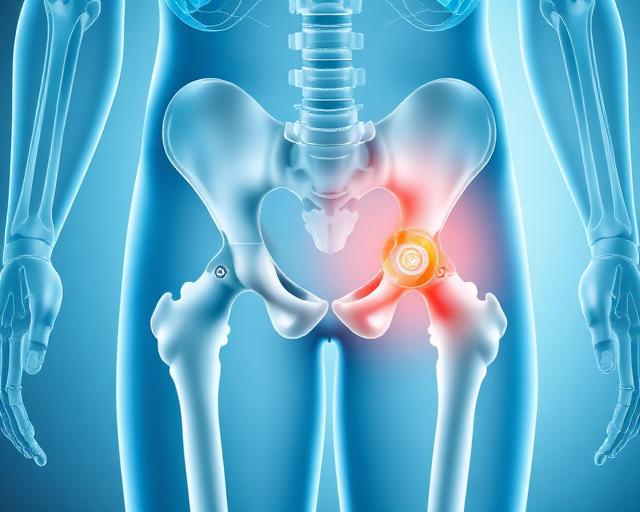
Understanding Hip Replacement Treatment
Hip pain caused by arthritis, avascular necrosis, or injury can severely affect your ability to walk, work, and enjoy daily activities. When conservative treatments such as medication, physiotherapy, and lifestyle changes no longer provide relief, hip replacement surgery becomes a highly effective solution.
Dr. Sunirmal Mukherjee, a leading orthopaedic surgeon in Mumbai practising in Bandra West, specialises in advanced hip replacement treatment using the latest minimally invasive techniques and high-quality implants. With years of experience in joint replacement surgery, Dr. Mukherjee is dedicated to helping patients regain pain-free mobility and return to an active lifestyle.
Whether you require a total hip replacement, partial hip replacement, or revision hip surgery, Dr. Mukherjee provides personalised care tailored to your specific condition and goals.
What is Hip Replacement Surgery?
Hip replacement, also known as hip arthroplasty, is a surgical procedure in which the damaged or worn-out parts of the hip joint are removed and replaced with artificial components called prostheses. The hip joint is a ball-and-socket joint — the ball (femoral head) sits at the top of the thigh bone, and the socket (acetabulum) is part of the pelvis.
In a total hip replacement, both the ball and the socket are replaced with high-grade metal, ceramic, or polyethylene components. In a partial hip replacement (hemiarthroplasty), only the femoral head is replaced, which is commonly performed for certain types of hip fractures.
Dr. Mukherjee uses computer-assisted navigation and minimally invasive orthopaedic surgery techniques to ensure precise implant positioning, leading to better long-term outcomes and a more natural-feeling hip.
Conditions Treated with Hip Replacement
- ✔ Severe osteoarthritis of the hip
- ✔ Rheumatoid arthritis affecting the hip joint
- ✔ Avascular necrosis (AVN) of the femoral head
- ✔ Hip fractures in elderly patients
- ✔ Failed previous hip surgery or revision cases
- ✔ Developmental dysplasia of the hip (DDH)
- ✔ Post-traumatic arthritis following hip injuries
Symptoms That Indicate You May Need Hip Replacement
- ! Persistent hip pain that worsens with activity or at night
- ! Stiffness in the hip joint limiting daily movements
- ! Difficulty walking, climbing stairs, or getting in and out of chairs
- ! Pain radiating to the groin, thigh, or knee
- ! Reduced range of motion in the hip
- ! A grinding or clicking sensation in the hip joint
- ! Dependence on walking aids due to hip discomfort
Benefits of Hip Replacement Surgery
Procedure Overview
Pre-operative Assessment
Comprehensive evaluation including X-rays, MRI, blood tests, and a detailed discussion about your medical history and expectations.
Anaesthesia
The procedure is performed under spinal or general anaesthesia, ensuring you are comfortable and pain-free throughout.
Surgical Approach
Using a minimally invasive approach, Dr. Mukherjee makes a small incision to access the hip joint while preserving surrounding muscles and tissues.
Joint Replacement
The damaged femoral head and acetabulum are carefully removed and replaced with high-quality artificial components made of metal, ceramic, or polyethylene.
Closure and Recovery
The incision is closed with sutures, and you are moved to a recovery room. Most patients begin walking with support within 24 hours.
Recovery and Rehabilitation
Recovery after hip replacement surgery has improved significantly with modern techniques. Most patients are encouraged to stand and walk with assistance within 24 hours of surgery, which helps speed up healing and prevent complications.
A structured physiotherapy programme begins in the hospital and continues after discharge. During the first 2 to 3 weeks, you will use a walker or crutches. By 6 weeks, most patients transition to a cane and can resume light daily activities. Full recovery and return to an active lifestyle typically occurs within 3 to 6 months.
Dr. Mukherjee and his team provide a comprehensive rehabilitation plan, including exercises to improve strength, flexibility, and balance, ensuring the best possible outcome from your hip replacement treatment.
Why Choose Dr. Sunirmal Mukherjee for Hip Replacement?
- ➜ Extensive experience in total and partial hip replacement surgery
- ➜ Use of advanced minimally invasive techniques and computer-assisted navigation
- ➜ High-quality, internationally certified implants for long-lasting results
- ➜ Personalised treatment plans tailored to each patient's unique anatomy
- ➜ Comprehensive pre-operative and post-operative care
- ➜ Conveniently located in Bandra West, Mumbai with modern surgical facilities
When Should You See a Doctor?
If you experience persistent hip pain that does not respond to rest, medication, or physiotherapy, it is important to consult an orthopaedic specialist. Early evaluation can help identify the cause of your hip pain and explore all available treatment options before the condition worsens.
Dr. Sunirmal Mukherjee provides thorough consultations at his clinic in Bandra West, Mumbai, using advanced diagnostic imaging to accurately assess your condition and recommend the most appropriate treatment pathway.
Frequently Asked Questions
Take the First Step Towards Pain-Free Living
Don't let hip pain control your life. Dr. Sunirmal Mukherjee offers expert hip replacement treatment in Mumbai with a focus on precision, safety, and personalised care. Book your consultation today and take the first step towards restored mobility and a better quality of life.
Book Your Orthopaedic Consultation Today
Take the first step towards pain-free movement. Schedule your appointment with Dr. Sunirmal Mukherjee.