
Osteoarthritis Knee: Early Signs & Treatment
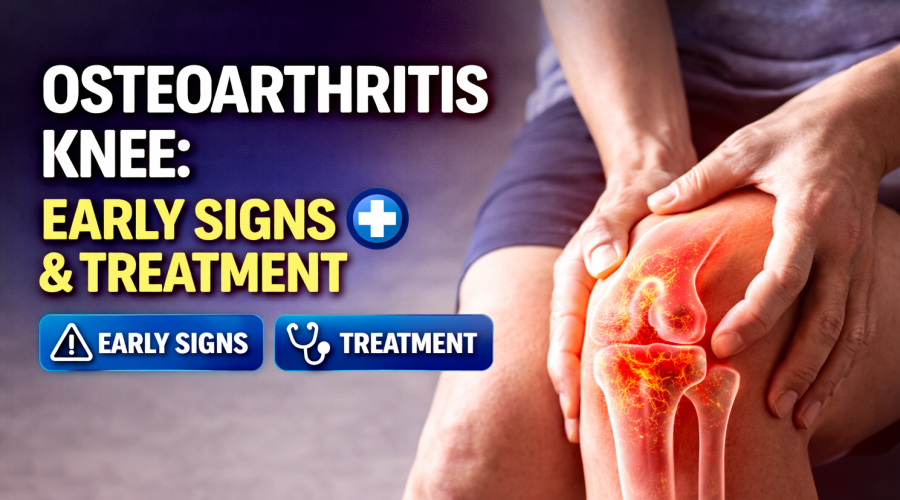
Introduction
Your knees carry your body every single day. When osteoarthritis knee sets in, that weight becomes a burden. The pain starts slow — a dull ache here, some stiffness there. Many people ignore these early signs, and that is a mistake. Catching osteoarthritis early can save your joint and your quality of life. The right treatment, given at the right time, makes a real difference. Whether you are 40 or 70, you deserve to move without pain. Consulting the Best Orthopedic Surgeon in Mumbai can help you get ahead of this condition before the pain becomes unbearable.
What Is Osteoarthritis of the Knee?
Osteoarthritis knee is a condition where the cartilage in your knee breaks down over time. Cartilage is the smooth tissue that covers the ends of your bones, acting like a cushion between them. When it wears away, the bones start to rub against each other, causing pain, swelling, and stiffness. Osteoarthritis is the most common form of arthritis worldwide. Although age is the biggest risk factor, weight, past injuries, and genetics also play an important role. Because it is a slow-moving condition, early signs are often missed or ignored entirely.
Early Signs of Osteoarthritis Knee
Knowing the early signs of osteoarthritis knee can change your treatment outcome completely. Many people mistake these signs for normal aging, and that delay can lead to more joint damage. Here are the key early warning signs you should watch for.
1. Morning Stiffness
You wake up and your knee feels stiff, and it takes some time before the joint loosens up. This stiffness usually lasts less than 30 minutes in the morning because the joint has not moved all night. The fluid that lubricates the joint becomes less effective during rest. Once you start moving, the stiffness fades — however, it returns again the next morning. This repeating pattern is a classic early sign of osteoarthritis knee that should not be ignored.
2. Knee Pain During Activity
Early knee pain from osteoarthritis usually appears during movement. Walking up stairs may hurt, and getting up from a chair may feel difficult. After a long walk, moreover, your knee may ache noticeably. The pain tends to get better with rest, which is different from other conditions where pain persists even at rest. If your knee pain appears during activity and eases with rest, talk to an orthopedic surgeon as soon as possible.
3. Swelling Around the Knee
The knee may look slightly swollen in the early stages because the joint produces extra fluid in response to cartilage damage. This fluid buildup causes the knee to appear puffy, and the skin around the joint may also feel warm to the touch. Swelling is your body's way of signalling that something is wrong inside. Even mild swelling, therefore, should not be dismissed — it is a clear early sign that the cartilage is under stress.
4. A Crackling or Grinding Sensation
You may bend your knee and hear a crackling sound, or feel a grinding sensation deep inside the joint. This is called crepitus, and it happens when the smooth cartilage has worn down significantly. The rough surfaces of the bones rub against each other, and you may notice it more when climbing stairs or squatting. Although this sensation alone may not be painful at first, over time it is followed by pain and stiffness. Crepitus is a reliable early indicator of cartilage damage in osteoarthritis knee.
5. Reduced Range of Motion
You may notice that you cannot bend or straighten your knee fully. Simple actions like sitting cross-legged become hard, and tying your shoes may feel awkward. This reduced range of motion happens because the joint is stiff and inflamed inside. Additionally, the muscles around the knee may weaken over time, further limiting your movement. A reduced range of motion is therefore a sign that the joint needs prompt medical attention.
Non-Surgical Treatment Options for Osteoarthritis Knee
There is no complete cure for osteoarthritis. However, treatment can slow its progress and reduce pain considerably. The goal is to improve movement and quality of life, and the right plan depends on how far the condition has advanced. The Best Orthopedic Surgeon in Mumbai will create a treatment plan that fits your specific needs and lifestyle.
1. Lifestyle Modifications and Weight Loss
Even small weight loss helps reduce stress on the knee joint significantly. Every pound lost translates to four pounds of reduced joint stress. Eating well and exercising regularly help keep body weight under control. Swimming, cycling, and walking are especially good options for people living with osteoarthritis knee, as these activities strengthen surrounding muscles without overloading the joint. Lifestyle modification, therefore, remains the essential first line of treatment.
2. Physiotherapy
Physiotherapy is one of the most recommended treatment methods for osteoarthritis knee. Trained physiotherapists teach patients techniques aimed at strengthening the muscles surrounding the affected joint. Strong muscles help transfer some of the load away from the damaged cartilage. Consequently, physiotherapy improves mobility and coordination without the use of drugs. It is a safe and effective approach at any stage of the condition.
3. Medications
A wide range of medications can help manage osteoarthritis knee. Paracetamol is commonly used for mild pain relief, while anti-inflammatory drugs are more effective for reducing both pain and swelling. Some topical creams work well when applied directly to the affected joint. Stronger medication can be prescribed when required. However, patients should never self-medicate, as all medications carry potential side effects. Always seek medical advice before starting any drug, prescription or otherwise.
4. Injections
Patients who do not respond sufficiently to medication may benefit from joint injections. Steroid injections reduce inflammation in the joint, with effects lasting several weeks or even months. Hyaluronic acid injections, on the other hand, help lubricate the joint and ease movement. PRP injections use the patient's own blood, processed and reinjected into the joint to promote natural healing. Each option has its specific advantages depending on the patient's condition.
5. Braces and Supportive Devices
Knee braces and orthotics provide additional joint support and reduce stress on damaged cartilage. Shoe inserts can help improve joint alignment and further reduce stress during daily movement. Additionally, using a cane or walking stick helps distribute body weight more evenly, which directly reduces joint pain. All of these devices have been shown to improve mobility and comfort for osteoarthritis patients.
Surgical Treatment for Osteoarthritis Knee
6. Joint Replacement Surgery
When all other treatment options have been exhausted, joint replacement surgery becomes necessary. During this procedure, the damaged joint surfaces are removed and replaced with artificial components. Osteoarthritis knee surgery has very positive outcomes worldwide, and most patients experience considerable pain reduction and improved mobility afterwards. To achieve the best results, it is important to choose the Best Orthopedic Surgeon in Mumbai to carry out the procedure.
Conclusion
Osteoarthritis knee is a condition that grows slowly but affects life in a significant way. Spotting the early signs gives you the best chance at effective treatment. Morning stiffness, pain during movement, swelling, a cracking sensation, and reduced mobility are all important signals your body sends. Ignoring them is not advisable. Fortunately, a combination of physiotherapy, medication, injections, and lifestyle changes can enable you to live a fulfilling life despite the condition. Take action early, protect your knees, and remember — your quality of life depends on the choices you make today.
Osteoarthritis knee cannot be fully reversed. The cartilage that has worn away does not grow back on its own. But early treatment can slow the progression and reduce pain significantly. Lifestyle changes, physical therapy, and medication can help manage the condition very effectively over time.
Osteoarthritis knee most commonly affects people over the age of 50. However, it can develop earlier, especially in people with past knee injuries, obesity, or a family history of the condition. Early onset is becoming more common with sedentary modern lifestyles and desk jobs.
Knee pain that comes with morning stiffness, a grinding sensation, and swelling could be a sign of osteoarthritis knee. A visit to an orthopedic surgeon with an X-ray or MRI can confirm the diagnosis. Do not try to self-diagnose this condition. Always get a professional medical evaluation.
Walking is definitely an activity that can help with osteoarthritis knees. It will allow the knee joint to move and build muscle around it. But do not walk long distances on hard ground. Walking regularly for shorter periods will be more effective. Other forms of exercise such as swimming and cycling work well too.
You should see the Best Orthopedic Surgeon in Mumbai if your knee pain lasts more than a few weeks. Also consult if pain limits your daily activities or if you notice swelling and stiffness that does not improve. Early consultation leads to better treatment outcomes and prevents further joint damage.
Knee replacement is not always the only option for severe osteoarthritis knee. Before surgery, your doctor will explore injections, physical therapy, and medication. Surgery is recommended only when these treatments no longer provide enough relief. The decision is made based on your age, overall health, and the severity of joint damage. Consulting a Best Orthopedic Surgeon in Mumbai helps you choose the right treatment.