
Can You Avoid Surgery? Non-Surgical Treatments Explained
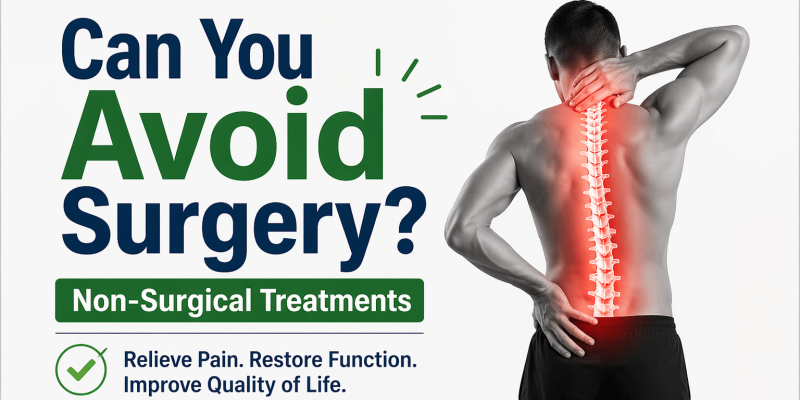
Surgery sounds scary. The thought of going under the knife makes most people nervous. But here is the good news — not every injury or pain needs an operation. Many conditions respond well to non-surgical treatments. These methods are safer, less painful, and require shorter recovery time. Thousands of patients have avoided surgery and still lived pain-free, active lives. Doctors across the world now prefer non-surgical options as the first line of treatment. Even the Best Orthopedic Surgeon in Mumbai will often recommend non-surgical care before suggesting an operation. So before you agree to surgery, read this guide. It may change your decision.
What Are Non-Surgical Treatments?
Non-surgical treatments are medical methods that treat pain and injury without any operation. They target the root cause of pain. They help the body heal naturally. These treatments work for many conditions — from back pain to joint problems. They are safe for most age groups. Doctors use them alone or in combination with each other. The goal is always simple — reduce pain, restore movement, and improve quality of life.
1. Physical Therapy
One of the best forms of non-invasive treatment available is physical therapy. This involves a specialized physiotherapist making a customized program for you. The exercise regimen focuses on particular exercises that help build strength in your weaker muscles in the affected area. The stronger your muscles, the more support you provide your joints, leading to decreased pain. Additionally, physical therapy also helps improve posture and mobility. Countless cases have shown significant improvement using physical therapy alone.
2. Medications and Pain Management
Medications can be prescribed to control both pain and inflammation. The anti-inflammatory medicines alleviate the swelling in joints and tissues. Medicines for pain provide patients enough strength to engage in physical activity in the process of rehabilitation. The muscle relaxant medicines reduce tension and tightness. These are temporary remedies that allow the body to recover. Their use is under constant monitoring by doctors who can adjust the doses according to the condition of the patient. Though medication might not treat the illness, they are very useful in dealing with its symptoms.
3. Corticosteroid Injections
Corticosteroid injections deliver powerful anti-inflammatory medicine directly into the painful area. They work fast. Pain relief can begin within days. These injections are helpful for conditions like arthritis, bursitis, and tendonitis. The procedure is quick and done in the clinic. The doctor uses a fine needle to inject medicine into the joint or tissue. Patients feel minimal discomfort. The effects can last for weeks or even months. Doctors usually limit the number of injections to avoid side effects. This treatment works best when combined with physical therapy.
4. Platelet-Rich Plasma (PRP) Therapy
PRP therapy is a latest and powerful treatment. It uses your own blood to heal your body. The doctor draws a small amount of blood from your arm. Then they spin it in a machine called a centrifuge. This separates the platelets — the healing cells in blood. The concentrated platelets are then injected into the damaged tissue. Platelets release growth factors. These factors speed up healing. PRP works well for ligament injuries, tendon problems, and early-stage arthritis. It is completely natural. There is very little risk of reaction. Recovery after PRP is faster than after surgery.
5. Lifestyle Changes and Weight Management
Lifestyle changes play a vital role in maintaining bone and joint health. Being overweight can lead to added strain in the knees, hip, and lumbar spine. Losing even a small percentage of weight can greatly relieve this strain. A nutritious diet with high levels of calcium and vitamin D can make the bones stronger. Low-impact activities such as swimming and walking are effective in keeping the joints supple. Staying away from cigarettes and reducing alcohol consumption is also important for bone strength. Even though the above factors are not directly related to medicine, they are very effective.
6. Bracing and Orthotics
Braces and orthotics support injured or weak areas of the body. A knee brace stabilizes the joint during movement. A back brace corrects posture and reduces spine pressure. Orthotic shoe inserts improve foot alignment. This reduces pain in the knees, hips, and lower back. Braces are custom-made or available in standard sizes. A doctor or physiotherapist recommends the right type for your condition. These devices are especially helpful during physical activity. They allow patients to stay active without causing further damage.
7. TENS Therapy and Ultrasound Therapy
Transcutaneous Electrical Nerve Stimulation therapy works by sending out tiny electrical pulses that interfere with the transmission of pain sensations. Pads called electrodes are applied onto the patient's skin close to the affected area. TENS is a painless process, and patients only feel a tingling sensation rather than pain. TENS therapy is non-invasive and does not require medication.
When Should You Consider Surgery?
Non-surgical treatments work very well in most cases. But sometimes surgery becomes necessary. Surgery may be needed when the injury is severe. It may also be required when non-surgical treatments fail after several months. A torn ligament, a fractured bone with displacement, or advanced arthritis may need surgical correction. The Best Orthopedic Surgeon in Mumbai will assess your condition honestly. They will recommend surgery only when there is no other option. Getting a second opinion is always a good idea before agreeing to any operation.
Conclusion
There is no need for you to opt for surgery to recover from illnesses and ailments. There are many diseases that respond quite positively when treated through non-surgical procedures. Physical therapy, PRP treatment, injection therapy, and minor adjustments in lifestyle can provide much-needed relief without posing any threat to your overall wellbeing. Make sure you consult the right expert whenever you feel confused about anything. Consult Top Orthopedic Surgeon and he will show you the right direction.
Yes, in many cases they can. Conditions like mild to moderate arthritis, tendonitis, and muscle injuries often heal completely with non-surgical care. The results depend on the severity of the condition and how early treatment begins.
Results vary from patient to patient. Some patients feel better in two to four weeks. Others may need three to six months of consistent treatment. Physical therapy and lifestyle changes take longer but deliver lasting results.
PRP therapy involves a simple injection. There may be mild discomfort at the injection site. The procedure is short and done under local numbing if needed. Most patients tolerate it well.
Yes, most non-surgical therapies permit you to maintain your daily routine. However, you might have to minimize any strenuous activity for some time.
Look for a surgeon with experience in both surgical and non-surgical treatments. A good orthopedic specialist will always explore all options before recommending surgery. Check credentials, patient reviews, and the range of treatments offered at their clinic. Finding the top Orthopedic Surgeon in Mumbai is the right step. You can also learn more from the Best Orthopedic Surgeon in Mumbai