
Knee Pain in Young Adults: Why It's Increasing
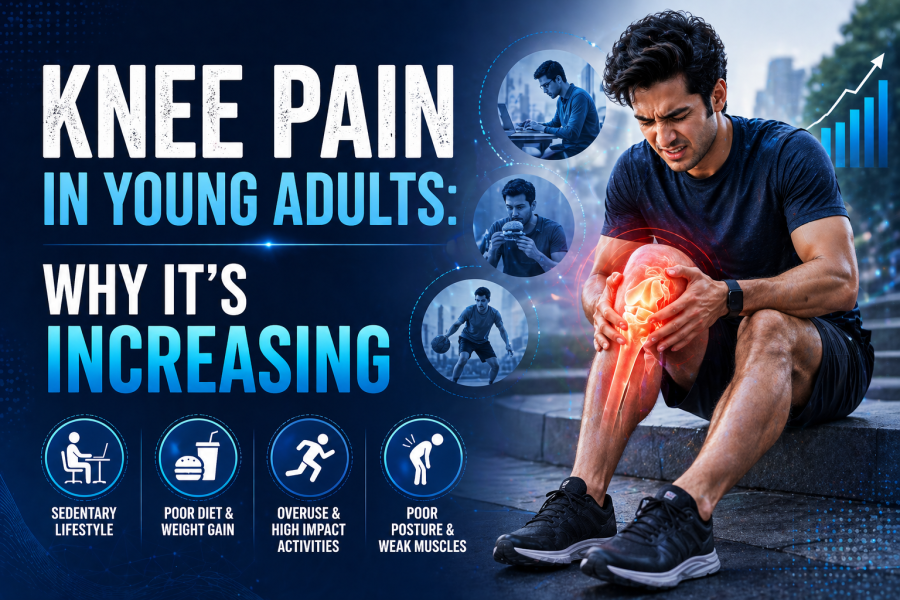
Knee pain is no longer a problem only older people face. More young adults are visiting clinics with sore, stiff, and swollen knees. This shift is alarming. It affects students, office workers, athletes, and even teenagers. The numbers keep rising every year. Many young people ignore the pain until it gets worse. That is a big mistake. Early attention saves a lot of trouble later. The right care at the right time makes a huge difference. If you are dealing with knee pain, you must not wait. Consulting the Best Orthopedic Surgeon in Mumbai early can prevent long-term damage. This article explains why knee pain is rising in young adults and what you can do about it.
Why Are More Young Adults Getting Knee Pain?
Young adults lead busy lives. They sit for long hours. They also push their bodies hard during workouts. Both extremes hurt the knee. The knee is a complex joint. It takes pressure from every step you take. When the muscles around it are weak or tight, the joint bears more load. Over time, this causes pain and injury.
Lifestyle changes in recent years have played a big role. More people work from home now. They sit for eight to ten hours a day. This weakens the hip and thigh muscles. Weak muscles put extra stress on the knees. Add to that the lack of regular movement, and the problem grows fast.
Sedentary Lifestyle and Its Direct Impact on the Knee
Sitting too much is one of the biggest reasons for knee pain in young adults. When you sit for long hours, your hip flexors tighten. Your glutes become weak. These muscles support the knee during movement. When they stop working well, the knee takes all the pressure.
Young professionals often sit at desks for most of the day. They rarely take breaks to walk or stretch. This leads to a condition called "patellar tracking disorder." The kneecap does not move in the right path. It causes pain at the front of the knee. The pain gets worse when climbing stairs or sitting for long periods.
Simple habits like standing every thirty minutes help a lot. Short walks during work breaks reduce knee stress. These small changes protect the joint over time.
Overtraining and Incorrect Exercise Habits
Fitness culture is growing fast. Many young adults hit the gym daily. Some train without proper guidance. They do too much too soon. This is called overtraining. It leads to knee injuries like runner's knee, jumper's knee, and IT band syndrome.
Running on hard surfaces without the right shoes also causes knee pain. Poor squatting form puts too much pressure on the joint. Skipping warm-ups before exercise is another common mistake. The knee needs time to prepare for heavy loads.
Rest is a critical part of any fitness plan. The body repairs itself during rest. Without rest, tiny injuries in the knee build up. They turn into bigger problems. A proper training plan with rest days is essential for knee health.
Weight Gain and Knee Stress
Body weight has a direct effect on the knees. Extra weight increases the load on the joint. For every extra kilogram of body weight, the knee feels four kilograms of pressure. Young adults who gain weight quickly put their knees at serious risk.
Obesity rates among young adults have gone up in recent years. Poor diet and low physical activity are the main causes. The knee cartilage wears down faster under constant pressure. It results in early onset osteoarthritis even at the age of 30. Maintaining healthy weight by eating healthy food and doing exercise will help in protecting the knee from damage. Swimming, cycling, and yoga are excellent exercises for such an individual.
Poor Posture and Its Effect on Knee Health
Posture affects more than just the back. Bad posture changes the way you walk and stand. It shifts the load unevenly across the knee. This causes certain parts of the joint to wear out faster.
Young adults who hunch over phones and laptops develop poor posture over time. This affects the alignment of the hips, knees, and ankles. Misalignment leads to chronic knee pain and muscle imbalance.
Good posture starts with awareness. Sit straight. Keep both feet flat on the floor. Avoid crossing your legs for long periods. These habits reduce strain on the knee and improve joint alignment.
Sports Injuries and Delayed Treatment
Young adults who play sports are at higher risk of acute knee injuries. ACL tears, meniscus injuries, and ligament sprains are very common. These injuries often happen due to sudden stops, twists, or direct impact.
Many young athletes delay treatment. They think the pain will go away on its own. Sometimes it does. But often, the injury gets worse without proper care. A small meniscus tear can become a bigger problem if ignored.
Seeking medical help immediately after a sports injury is very important. The Best Orthopedic Surgeon in Mumbai can diagnose the injury quickly. Early treatment prevents long-term joint damage. It also shortens recovery time.
Technology Use and Knee Strain
Phones and screens have changed how we move. Young adults spend hours scrolling, gaming, or watching content. They sit in awkward positions for too long. Some sit cross-legged on the floor. Others sit with bent knees for hours without moving.
This constant static positioning affects blood flow in the knee. It also weakens the muscles that support the joint. Knee stiffness and pain after long screen sessions is becoming more common.
Taking regular breaks from screens helps. Use those breaks to stretch the knees and legs. Simple stretches like quad stretches and hamstring stretches take just two minutes. They make a big difference in knee health over time.
When Should You See a Doctor?
When to Consult a Doctor?
All knee pain does not need a visit to the doctor immediately, but there are conditions under which you need to consult a doctor. These include:
- If the knee pain continues despite taking adequate rest for several days
- If the knee swells up and turns red
- If the knee is unstable while walking
- If the knee clicks on movement
- If the knee pain wakes you up during the night
A professional can tell you why you have knee pain and provide the appropriate remedies for it, ranging from physiotherapy, medicines, or even surgical operations. There are the best orthopedic surgeons in Mumbai who can help you out with your knee problem.
How to Prevent Knee Pain at a Young Age
Prevention is always preferable over cure. There are many actions one could do today to safeguard their knees against the future.
Remain physically active, but be careful about how you do it. Engage in workouts that would strengthen the surrounding muscles of the knee joint. Examples include squats, leg press, and lunges among others. Make sure not to put any undue pressure on the joint.
Maintain a good body weight by eating a well-balanced meal with plenty of calcium and Vitamin D. The former helps strengthen the bones while the latter strengthens the cartilage.
Invest in good footwear. Worn-out shoes give poor support. They change the way you walk and put extra stress on the knee. Replace your shoes regularly if you exercise often.
Listen to your body. Rest when you feel pain. Do not push through severe discomfort. Pain is the body's way of signaling that something is wrong.
Conclusion
Knee pain in young adults is rising fast, and the causes are very clear. Sedentary lifestyles, poor exercise habits, weight gain, and bad posture all play a role. Young people often ignore knee pain until it becomes a serious issue. That habit needs to change. Early care protects the joint and prevents long-term damage. If you experience persistent knee pain, do not delay. Consult the Best Orthopedic Surgeon in Mumbai for proper diagnosis and treatment. Your knees carry you through life. Take care of them today so they serve you well tomorrow.
Young adults can get knee pain from poor posture, weak muscles, and long hours of sitting. These factors put extra stress on the knee joint over time.
Yes, it can be. Ignoring early knee pain may lead to bigger problems like cartilage damage or early arthritis. Getting it checked early is always better.
Yes. Overtraining, poor form, and skipping warm-ups are common causes. Exercise is important, but it must be done correctly and in moderation.
A doctor will decide based on your diagnosis. Many knee conditions improve with physiotherapy and medication. Surgery is considered only when other treatments do not work.
Consulting the Best Orthopedic Surgeon in Mumbai is the right step. They can accurately diagnose the problem and suggest the most effective treatment plan for you. You can also learn more from the Best Orthopedic Surgeon in Mumbai .
Low-impact exercises like swimming, cycling, and walking help. Strengthening exercises for the quadriceps and hamstrings also support the knee and reduce pain.
Yes. Even a small reduction in body weight can significantly lower the pressure on the knees. Weight management is one of the most effective ways to reduce knee pain.